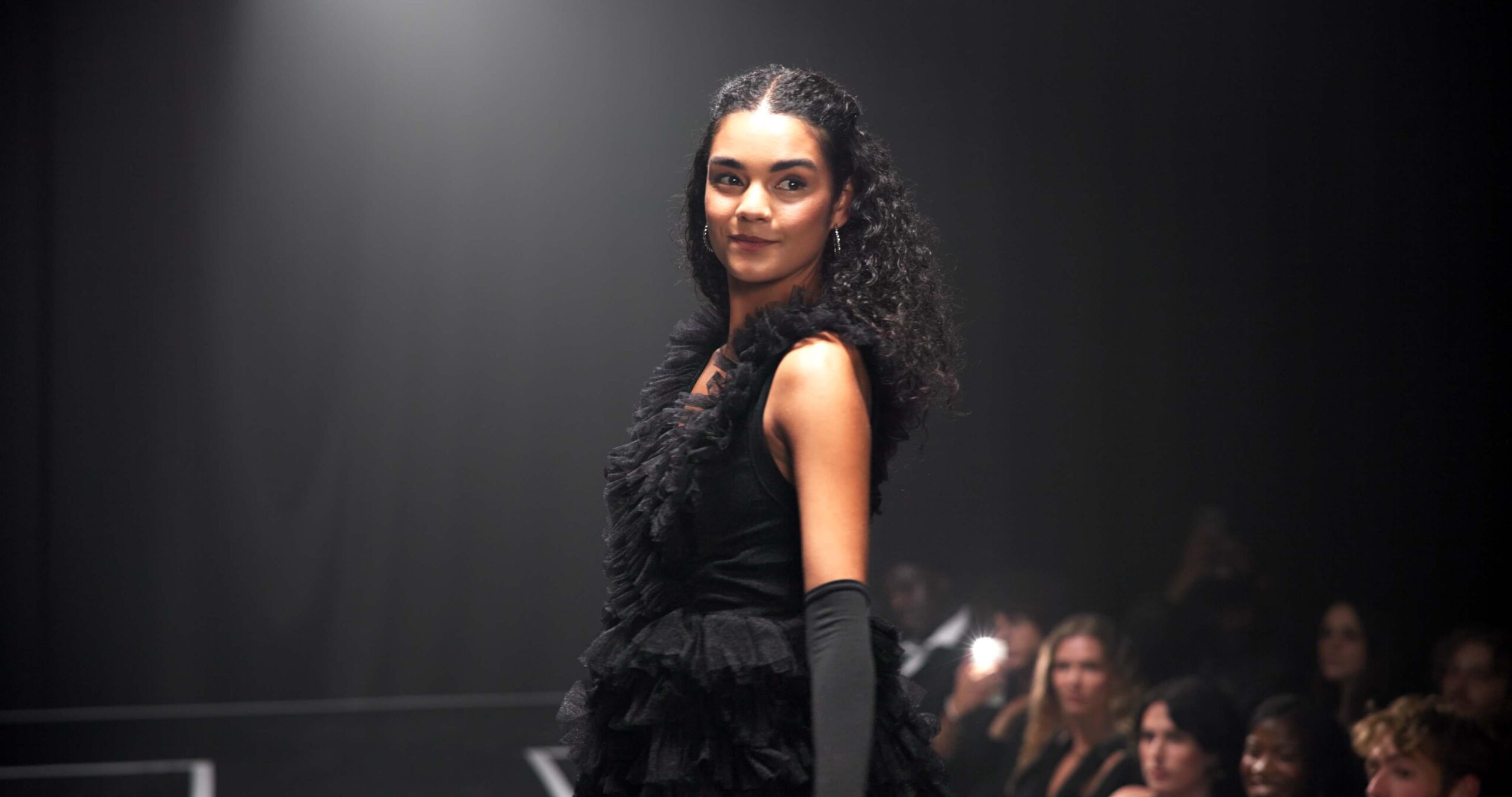
Designer fashion plays a central role in defining the direction of global style. Long before trends appear in retail stores or everyday wardrobes, they begin as creative concepts presented on runways by designers experimenting with silhouettes, fabrics, colors, and cultural influences. Runway presentations are more than visual showcases. They function as early indicators of the ideas that will shape seasonal wardrobes, influence mass production, and guide styling decisions across the fashion industry.
Understanding how designer fashion shapes runway trends provides valuable insight into how style evolves over time. It also helps individuals make smarter wardrobe choices by recognizing which elements will remain relevant beyond a single season.
This article explores how designer creativity influences runway trends and explains the broader impact these trends have on fashion culture and consumer behavior.
The Role of Designers in Setting Fashion Direction
Designers serve as the primary architects of runway trends. Their collections reflect both artistic vision and awareness of social shifts, cultural movements, and changing consumer preferences.
Through seasonal presentations, designers introduce:
- New silhouettes
- Fabric innovations
- Color palettes
- Styling combinations
- Structural experimentation
These creative decisions influence the entire fashion cycle, from luxury houses to mainstream retailers.
Designers often balance originality with practicality, ensuring their collections remain both expressive and wearable.
Runway Shows as Trend Forecasting Platforms
Runway presentations function as trend forecasting tools for the global fashion industry. Buyers, stylists, editors, and retailers observe these shows closely to identify emerging directions that will shape upcoming seasons.
Runway shows help forecast:
- Seasonal color priorities
- Fabric preferences
- Hemline changes
- Outerwear silhouettes
- Accessory styling strategies
Because these events occur months before retail releases, they allow the industry to prepare for upcoming shifts in consumer demand.
Trend forecasting helps maintain coordination between creative production and market expectations.
The Influence of Fashion Weeks Around the World
Major fashion weeks remain essential platforms for introducing designer ideas to global audiences. Cities such as New York, London, Milan, and Paris continue to serve as major centers for runway innovation.
Each fashion capital contributes distinct perspectives:
New York
Focuses on practicality, versatility, and modern urban lifestyles.
London
Encourages experimental silhouettes and emerging designers.
Milan
Highlights craftsmanship, luxury textiles, and structured tailoring.
Paris
Emphasizes artistic heritage and high-fashion storytelling.
Together, these fashion weeks create a balanced global conversation about evolving style.
Fabric Innovation Drives New Runway Trends
Fabric development plays a powerful role in shaping runway direction. Designers frequently collaborate with textile specialists to introduce materials that influence both aesthetics and functionality.
Innovative fabrics contribute to:
- Improved garment structure
- Enhanced movement flexibility
- Sustainable production approaches
- New surface textures
- Lightweight layering possibilities
Textile experimentation often determines how silhouettes evolve across seasons.
As fabric technology advances, designers gain greater freedom to explore new forms and construction techniques.
Color Stories Define Seasonal Identity
Color selection is one of the most visible elements of runway influence. Designers carefully choose palettes that reflect mood, environment, and cultural context.
Seasonal color stories often include:
- Neutral foundations for versatility
- Accent tones for visual impact
- Deep shades for colder months
- Soft tones for warmer seasons
These coordinated palettes help retailers and stylists align collections with broader fashion direction.
Consumers often adopt these colors gradually through accessories before embracing them in full outfits.
Silhouette Changes Signal Major Trend Shifts
Silhouette experimentation is one of the strongest indicators of evolving fashion direction. Designers adjust garment proportions to reflect both aesthetic exploration and lifestyle changes.
Common silhouette changes introduced on runways include:
- Oversized outerwear shapes
- Relaxed tailoring
- Structured shoulders
- Cropped jacket lengths
- Flowing dress forms
Silhouette evolution often influences how garments feel as much as how they appear.
These structural adjustments eventually shape everyday clothing design across multiple price levels.
Cultural Influences Shape Designer Inspiration
Designer fashion frequently reflects cultural narratives that influence runway storytelling. These inspirations help create deeper meaning behind collections while introducing visual diversity.
Cultural influences may include:
- Historical fashion references
- Regional craftsmanship traditions
- Artistic movements
- Music and performance culture
- Architecture and design principles
These sources help designers create collections that connect with broader audiences.
Cultural storytelling also strengthens fashion’s role as a form of creative expression.
Street Style Feedback Shapes Future Runway Direction
Runway trends do not develop in isolation. Designers increasingly observe street style to understand how consumers adapt previous collections into everyday wardrobes.
Street style influences runway design by:
- Highlighting popular layering techniques
- Demonstrating practical styling adjustments
- Identifying rising accessory preferences
- Revealing emerging color combinations
This interaction between designers and consumers creates a continuous feedback loop within the fashion cycle.
Modern fashion evolves through collaboration between creators and wearers.
Technology Expands Runway Creativity
Digital tools now play a significant role in shaping runway presentations. Designers use technology to explore new visual possibilities and communicate ideas more effectively.
Technological innovation supports runway development through:
- Digital fabric simulation
- Virtual show presentations
- Advanced pattern construction software
- Interactive audience engagement tools
These technologies expand creative flexibility while increasing global accessibility to runway events.
Technology also helps designers experiment without increasing production waste.
Sustainability Influences Modern Runway Trends
Sustainability has become one of the most important factors shaping designer collections. Many fashion houses now prioritize responsible production practices when developing runway pieces.
Sustainable runway trends often include:
- Natural fiber selections
- Recycled materials
- Modular garment construction
- Longer-lasting silhouettes
- Reduced decorative excess
These decisions influence how future collections balance creativity with environmental awareness.
Consumers increasingly expect transparency and responsibility within fashion production.
Accessories Play a Strategic Role in Runway Storytelling
Accessories often serve as essential elements in communicating runway themes. Designers use them to reinforce collection narratives and highlight styling direction.
Runway accessories frequently include:
- Structured handbags
- Sculptural footwear
- Layered jewelry
- Statement belts
- Coordinated headwear
These pieces often become some of the most commercially influential aspects of runway presentations.
Accessory trends typically transition quickly into mainstream retail markets.
Collaboration Between Designers and Stylists Enhances Runway Impact
Stylists contribute significantly to how runway collections are interpreted visually. Their work ensures garments appear cohesive within the broader narrative of each presentation.
Stylists support runway storytelling by:
- Coordinating layered outfits
- Selecting complementary accessories
- Managing color harmony across looks
- Maintaining visual continuity throughout the show
This collaboration strengthens the overall clarity of runway messaging.
Effective styling helps audiences understand how garments function beyond individual pieces.
Media Coverage Amplifies Runway Influence
Fashion media plays a powerful role in translating runway presentations into widely recognized trends. Editors and photographers highlight key elements that shape public perception of each collection.
Media coverage contributes to trend development by:
- Identifying standout silhouettes
- Highlighting emerging designers
- Presenting styling interpretations
- Sharing seasonal color palettes
Through magazines, digital platforms, and social media channels, runway ideas reach global audiences quickly.
This visibility accelerates trend adoption across markets.
Retail Adaptation Brings Runway Trends to Everyday Wardrobes
Runway collections often introduce conceptual versions of trends that later evolve into wearable retail designs. This adaptation process allows consumers to participate in runway-inspired fashion at different price levels.
Retail adaptation typically involves:
- Simplifying garment structure
- Adjusting fabric choices
- Modifying proportions for comfort
- Introducing accessible color variations
This translation ensures runway creativity influences everyday fashion without losing practicality.
Retail versions help maintain balance between artistic expression and functional clothing.
Long-Term Influence of Designer Fashion on Style Evolution
Designer fashion shapes not only seasonal trends but also long-term wardrobe direction. Many silhouettes and styling techniques introduced on runways remain influential for years.
Examples of lasting runway influence include:
- Tailored outerwear structures
- Minimalist eveningwear silhouettes
- Layered jewelry styling
- Relaxed tailoring proportions
These elements gradually become integrated into mainstream fashion language.
Runway innovation ensures fashion remains dynamic while preserving continuity with past traditions.
FAQs About How Designer Fashion Shapes Runway Trends
How far in advance do designers plan runway collections before they appear publicly
Designers typically begin developing collections several months before fashion week presentations to allow time for concept development, fabric sourcing, and garment construction.
Do all runway trends eventually appear in retail stores
Not all runway concepts transition directly into retail, but many inspire simplified versions suitable for everyday wear.
Why do runway collections sometimes look different from everyday clothing
Runway garments often emphasize artistic expression and storytelling, while retail clothing prioritizes practicality and accessibility.
How do buyers decide which runway trends to bring into stores
Buyers evaluate customer preferences, seasonal demand, and regional style influences before selecting pieces that align with their market.
Are runway trends influenced more by creativity or consumer demand
Runway fashion reflects both creative exploration and awareness of changing consumer expectations.
Can smaller designers influence runway trends as much as major fashion houses
Emerging designers often introduce experimental ideas that later influence larger brands and shape broader industry direction.
How do digital fashion shows affect the future of runway trends
Digital presentations increase accessibility and allow designers to experiment with new storytelling methods that expand how trends are introduced globally.
