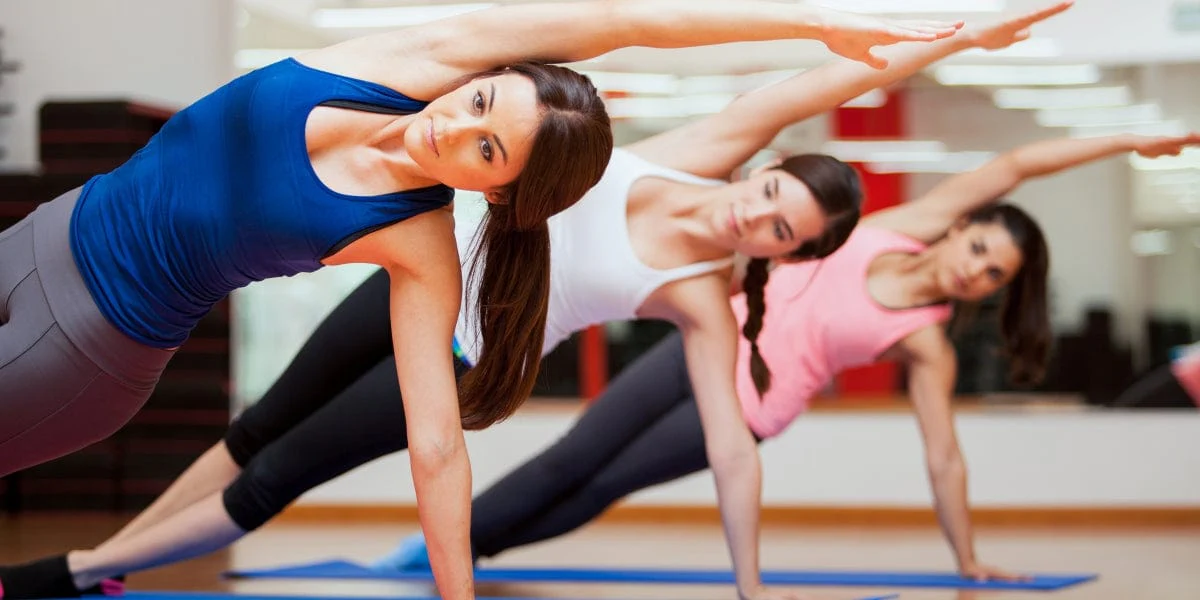
The intersection of fashion, functionality, and mindfulness
In recent years, Singapore has seen yoga evolve from a niche wellness activity into a lifestyle movement. With growing awareness of health and sustainability, practitioners are not only investing in quality instruction but also in apparel that reflects both style and purpose. Yoga wear has transformed into a key component of self-expression, blending aesthetics with performance-driven innovation.
The popularity of yoga classes Singapore has contributed to the rise of activewear brands that focus on body-responsive materials, durability, and ethical production. Today’s yoga enthusiasts seek clothing that moves seamlessly with their practice while aligning with their environmental values. This shift marks the birth of functional fashion in the yoga world—a blend of technology, comfort, and conscious design.
The rise of high-performance yoga apparel
Yoga wear is no longer limited to simple cotton leggings and loose tops. Advancements in textile engineering have led to fabrics that regulate temperature, absorb sweat efficiently, and offer four-way stretch for complete freedom of movement. These innovations allow practitioners to flow from one asana to another without discomfort or distraction.
Performance fabrics such as nylon-spandex blends, recycled polyester, and bamboo fibre are increasingly popular. They provide compression for muscle support while remaining soft and breathable. Many brands are now infusing their designs with anti-bacterial finishes and moisture-wicking capabilities, ensuring comfort even in humid climates like Singapore’s.
The science behind technical fabrics
Modern yoga apparel is engineered for function. Technical fabrics are designed at the molecular level to enhance flexibility and resilience.
Key characteristics include:
-
Moisture management: Quick-dry materials pull sweat away from the skin, preventing irritation.
-
Thermal control: Breathable weaves keep the body cool during hot yoga and warm during slower sessions.
-
Stretch recovery: High elasticity ensures garments maintain their shape after repeated washes and movements.
-
Seamless design: Minimises friction and supports unrestricted movement.
These properties combine to create clothing that complements both physical and mental aspects of yoga practice.
Sustainability as a defining principle
As sustainability becomes a global priority, yoga practitioners are increasingly conscious of the ecological impact of their choices. The wellness community’s values naturally align with environmental mindfulness, driving demand for eco-friendly materials and ethical production.
Many yoga apparel brands now use recycled ocean plastics, organic cotton, or plant-based dyes. These materials not only reduce environmental damage but also offer superior comfort and breathability.
Sustainable manufacturing also involves fair labour practices and reduced water consumption. By choosing such brands, practitioners contribute to a cleaner planet while promoting social responsibility.
The business of yoga fashion in Singapore
Singapore’s yoga fashion market is thriving, fuelled by both local and international demand. With an increasing number of boutique studios and retail collaborations, activewear has become a lifestyle category rather than just sports apparel.
Local designers are experimenting with fabrics tailored for tropical weather, combining elegance with practicality. The city’s retail landscape, known for its blend of luxury and accessibility, supports niche yoga brands that cater to eco-conscious professionals seeking premium comfort.
Moreover, e-commerce and social media have expanded visibility for smaller sustainable labels, allowing them to compete with global giants through storytelling, transparency, and community-driven branding.
Aesthetic trends shaping yoga wear
Modern yoga wear strikes a balance between minimalism and statement style. Singaporeans, known for their refined taste, prefer clean lines, muted tones, and subtle detailing that can transition effortlessly from studio to street.
Notable design directions include:
-
Neutral and earthy palettes: Inspired by nature, these tones promote calm and mindfulness.
-
Multi-purpose wear: Leggings, wraps, and tops designed for both practice and casual outings.
-
Gender-neutral collections: Reflecting inclusivity in the wellness community.
-
Textured fabrics: Adding visual depth while maintaining functionality.
The focus is on timeless designs rather than seasonal fashion, encouraging long-term use and sustainability.
The link between fashion psychology and performance
What practitioners wear directly influences their confidence and engagement during practice. Research in fashion psychology shows that comfortable, purpose-built clothing enhances body awareness and motivation.
High-performance yoga wear enables practitioners to focus on posture and breath without worrying about restrictions or discomfort. It acts as an extension of the body, promoting alignment and balance.
Moreover, well-fitted apparel provides a subtle psychological boost. When individuals feel good about their attire, they approach their practice with greater positivity and commitment.
Technological innovations in yoga fashion
Technology is reshaping every aspect of wellness, including apparel design. From smart fabrics that regulate heat to AI-based virtual fitting tools, innovation is redefining how yoga wear is produced and experienced.
Some advanced trends include:
-
Infrared fabrics that improve blood circulation and muscle recovery.
-
Biometric clothing that monitors posture, heart rate, and temperature.
-
Digital pattern cutting that minimises fabric waste during production.
-
3D knitting that creates seamless garments for superior comfort.
These innovations align with Singapore’s forward-thinking spirit, blending technology with wellness for an enhanced lifestyle.
Mindful consumerism in the yoga community
Mindful living extends beyond the mat. For many yoga practitioners, conscious purchasing is an extension of their philosophy. Instead of fast fashion, they prefer investing in fewer, higher-quality pieces that last longer and align with sustainable principles.
Studios and instructors play a key role in promoting mindful consumption by collaborating with eco-friendly brands and hosting sustainable fashion pop-ups. These initiatives educate practitioners about the lifecycle of clothing and its environmental impact.
The economics of ethical production
While sustainable materials often cost more to produce, they represent an investment in long-term environmental and social stability. Ethical manufacturing may reduce profit margins initially, but it builds stronger brand loyalty and credibility.
Consumers in Singapore are willing to pay a premium for transparency and purpose. Brands that share detailed information about sourcing, materials, and worker welfare stand out in the competitive marketplace.
Cultural influences and inclusivity
Singapore’s multicultural environment brings diversity to yoga wear design. Local brands often draw inspiration from traditional Asian textiles while incorporating modern silhouettes.
Inclusivity has also become a central theme, with brands offering a wide range of sizes and adaptive designs. This inclusivity ensures that yoga fashion remains accessible to all body types and abilities, reinforcing the principle of equality that lies at the heart of yoga.
The future of yoga wear in a sustainable world
The future of yoga fashion lies in balance—between performance and responsibility, luxury and minimalism, individuality and mindfulness. Designers are likely to move toward circular fashion models, where old garments are recycled into new ones, reducing textile waste.
Consumers will increasingly favour brands that demonstrate environmental integrity, while studios will play a vital role in promoting sustainability through partnerships and educational efforts.
Yoga Edition’s philosophy of conscious performance
Among Singapore’s leading wellness spaces, Yoga Edition embodies the union of mindfulness, movement, and modern living. Its philosophy encourages practitioners to align inner balance with external awareness.
By promoting sustainable lifestyle choices and mindful practice, Yoga Edition serves as an inspiration for those seeking holistic well-being. The studio’s approach to community, self-care, and environmental respect mirrors the evolution of yoga fashion—functional, refined, and deeply conscious.
FAQs
Q1. How important is yoga wear quality for performance?
High-quality apparel provides flexibility, breathability, and comfort. It supports better alignment and allows practitioners to move freely, reducing the risk of injury or distraction.
Q2. Are sustainable yoga clothes as durable as synthetic ones?
Yes. Modern eco-friendly fabrics are engineered for strength and resilience. With proper care, they can last as long, if not longer, than conventional synthetic materials.
Q3. How can consumers identify truly sustainable yoga wear?
Look for certifications like GOTS (Global Organic Textile Standard) or OEKO-TEX, and read brand transparency reports about material sourcing and manufacturing ethics.
Q4. Can yoga fashion be worn outside the studio?
Absolutely. Many designs are versatile enough for casual outings, reflecting a growing trend of “athleisure” where comfort and style merge seamlessly.
Q5. What role do yoga studios play in promoting sustainable fashion?
Studios can collaborate with ethical brands, host eco-fashion events, and encourage mindful consumer habits among their members.
