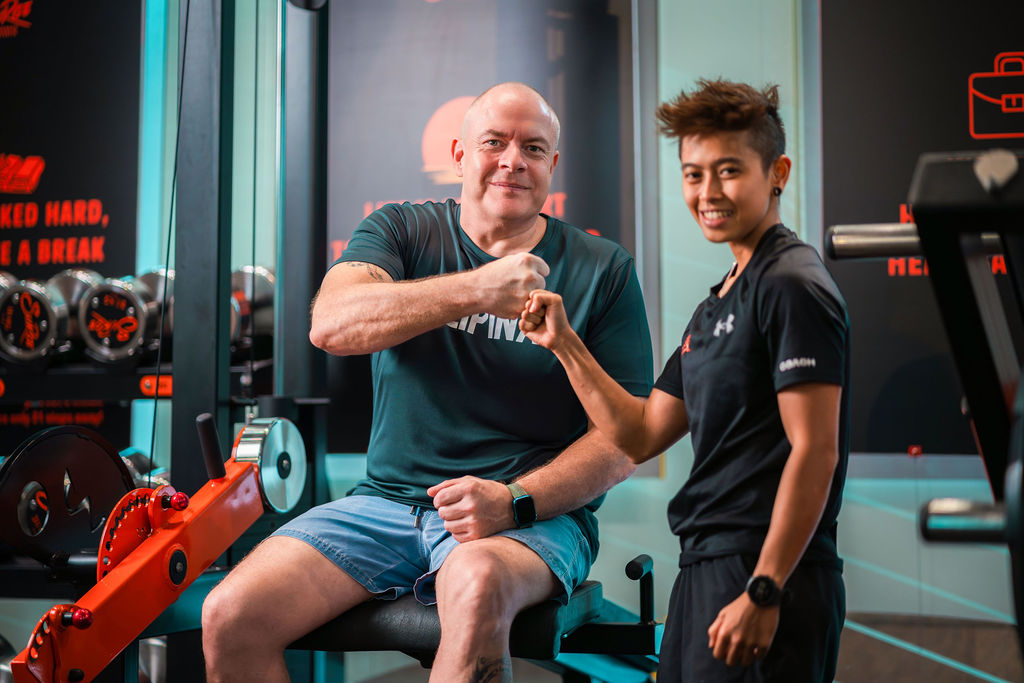
Training in Singapore’s climate is not the same as training in cooler environments. The heat, humidity and constant moisture in the air influence clothing choice, comfort level, performance and even safety. Many people underestimate the impact that fabric, fit and layering have on their workouts. They assume that stepping into the gym or going for a run is purely about effort. But when clothing traps heat, restricts movement or absorbs too much sweat, performance drops quickly. This is why many clients appreciate guidance from an experienced fitness trainer singapore who understands how apparel affects training outcomes in a tropical environment.
Performance wear is not just about looking good. It is a functional extension of your training. The right clothing reduces overheating, improves mobility, minimises distractions, prevents chafing and supports long term comfort during both indoor and outdoor workouts. Singapore’s weather magnifies every detail. A poorly chosen outfit can make a great session feel exhausting, and a well chosen outfit can make training feel surprisingly smooth.
Understanding Singapore’s Training Climate
Singapore’s heat and humidity place extra strain on the body during exercise. Sweat evaporates slower, which prevents effective cooling. This increases the likelihood of overheating, dehydration and early fatigue.
These climate factors influence performance:
-
Constant humidity that slows sweat evaporation
-
High temperatures that elevate heart rate during warm ups
-
Indoor air conditioning that varies widely across different gyms
-
Sudden transitions between hot outdoors and cold indoors
-
Skin sensitivity from continual moisture exposure
A thoughtful clothing strategy becomes a performance tool rather than just a fashion choice.
The Science Behind Moisture Management
Moisture management is the foundation of tropical performance wear. When sweat stays on the skin, it reduces comfort and causes irritation. When the fabric pulls sweat away and dries fast, training feels lighter and more efficient.
Trainers recommend fabrics that:
-
Wick moisture quickly
-
Dry rapidly
-
Maintain breathability
-
Do not cling heavily to the skin
-
Reduce chafing
Polyester blends, nylon blends and specialised athletic fibres work well. Cotton, while comfortable, absorbs moisture and becomes heavy, increasing body temperature and skin irritation during longer sessions.
Finding The Perfect Fit For Training
Fit matters just as much as fabric. Clothing that is too tight can increase heat retention and restrict movement. Clothing that is too loose can interfere with technique, especially during strength training.
Trainers guide clients to choose:
-
Tops that allow full shoulder and arm mobility
-
Bottoms that stretch in all directions
-
Waistbands that stay secure without compressing too tightly
-
Fits that suit the type of training, such as fitted tops for strength work and looser tops for cardio
The goal is to support movement efficiency without unnecessary friction.
Layering For Singapore’s Climate
Layering may seem unnecessary in a tropical environment, but transitions between outdoor heat and indoor air conditioning affect comfort. Many gyms and studios in Singapore have powerful cooling systems. Entering these cold spaces while drenched in sweat can cause stiffness in the muscles.
Trainers often suggest:
-
Light, breathable outer layers for warm ups
-
Quick removal pieces like zip hoodies
-
Thin training jackets that help regulate temperature
Proper layering keeps the body warm enough during warm ups and comfortable enough through cold indoor conditions.
Choosing Footwear For Tropical Training
Footwear affects stability, performance and injury risk. Because Singapore’s humidity softens shoe materials over time, regular replacement is important.
Key considerations include:
-
Flat sole shoes for weight training to enhance stability
-
Cushioned shoes for running or treadmill work
-
Breathable mesh uppers to reduce heat buildup
-
Socks that wick moisture to prevent blisters
-
Proper toe space to reduce pressure during longer workouts
A trainer helps clients match footwear to both training style and foot mechanics.
Accessories That Improve Comfort
Small accessories make a significant difference in humid weather.
Useful items include:
-
Sweat resistant headbands
-
Quick dry caps for outdoor runs
-
Lightweight towels for constant perspiration
-
Wrist wraps or gloves for strength training
-
Minimalist hydration belts for outdoor conditioning
These items help maintain concentration and reduce unnecessary discomfort.
Clothing Choices For Different Client Profiles
Every client has different preferences and lifestyle needs. Trainers use clothing recommendations that suit each individual’s comfort level and training personality.
The Modest Dresser
Prefers covered sleeves, longer bottoms or loose fits. Trainers recommend breathable fabrics, airy layering and light colours to maintain comfort while respecting personal style.
The Corporate Professional
Often trains before or after work. They prefer outfits that transition easily. Trainers guide them toward neutral colours, fitted tops and quick dry bottoms that stay comfortable even when moving between the office and the gym.
The Fashion Forward Client
Enjoys bold colours and modern cuts. Trainers help them combine style and performance through high quality fabrics that withstand Singapore’s humidity.
The Beginner
Feels self conscious or unsure about attire choices. Trainers provide comfort focused suggestions with safe, breathable options that build confidence.
The Outdoor Runner
Needs sun protection and anti chafe gear. Trainers recommend lightweight long sleeves, high airflow shorts and moisture managing socks.
Each profile benefits from a customised set of clothing strategies.
Avoiding Common Training Apparel Mistakes
Many people unknowingly wear clothing that works against them in Singapore’s climate. Trainers help clients avoid mistakes such as:
-
Wearing cotton shirts that trap sweat
-
Using thick leggings during hot weather
-
Choosing shoes based only on appearance
-
Wearing tops that restrict shoulder mobility
-
Ignoring the importance of sweat resistant underwear
-
Over layering indoors
Correcting these habits immediately improves training comfort.
Creating A Tropical Friendly Training Wardrobe
A trainer helps clients build a wardrobe that fits their training needs, lifestyle and climate.
Elements of a well structured wardrobe include:
-
Two to three moisture wicking tops
-
Two to three breathable bottoms
-
A pair of training shoes suited to the client’s routine
-
A cooling towel or sweat management accessory
-
Light layers for transitioning between temperature zones
Quality over quantity ensures durability and consistent performance.
Care Tips For Activewear In Humid Climates
Humidity affects fabric lifespan. Trainers provide care tips that help clients maintain freshness and prevent odours.
These include:
-
Washing activewear immediately after training
-
Avoiding fabric softeners that damage technical fibres
-
Air drying instead of machine drying
-
Using mild detergents
-
Rotating outfits to avoid moisture buildup
-
Storing clothing in ventilated spaces
These habits support both comfort and hygiene.
Real Life Scenarios Of Clothing Challenges In Singapore
Below are realistic situations where outfit choices affect training outcomes.
Scenario A: The Client Who Sweats Excessively
Their cotton tops become heavy within minutes. Switching to moisture wicking fabrics improves comfort and reduces distraction.
Scenario B: The Client With Shoulder Restrictions
Tight tops limit movement during overhead training. Choosing stretchable fabrics allows full range of motion.
Scenario C: The Outdoor Jogger
High humidity increases heat stress. Trainers recommend lighter colours, breathable fabrics and sun protective gear.
Scenario D: The Weight Training Enthusiast
Wearing cushioned running shoes decreases stability during lifts. Trainers guide them toward flatter soles for better performance.
Scenario E: The Client Who Commutes To Training
They require outfits suitable for trains and buses. Trainers help them balance comfort and modesty while keeping performance high.
These examples highlight how apparel influences experience and results.
Clients who prefer a structured training environment often choose facilities like True Fitness Singapore for consistent coaching support and modern equipment that complements their clothing and performance needs.
FAQ
Does wearing the right clothing really improve performance
Yes. Proper apparel reduces overheating, improves movement freedom and enhances comfort, allowing you to train longer and with better form.
What should I avoid wearing in Singapore’s humidity
Avoid cotton, thick fabrics and restrictive outfits. Choose quick dry materials and breathable designs.
How many training outfits do I need
Most people need three sets of good quality activewear for weekly rotation. Trainers can help you choose based on your training frequency.
Should I use compression wear
Compression wear is useful for recovery and certain types of training. A trainer can advise when it is appropriate based on your goals.
How do I prevent odour in humid weather
Wash activewear soon after training, avoid fabric softeners and ensure clothes are fully dry before storing them.
