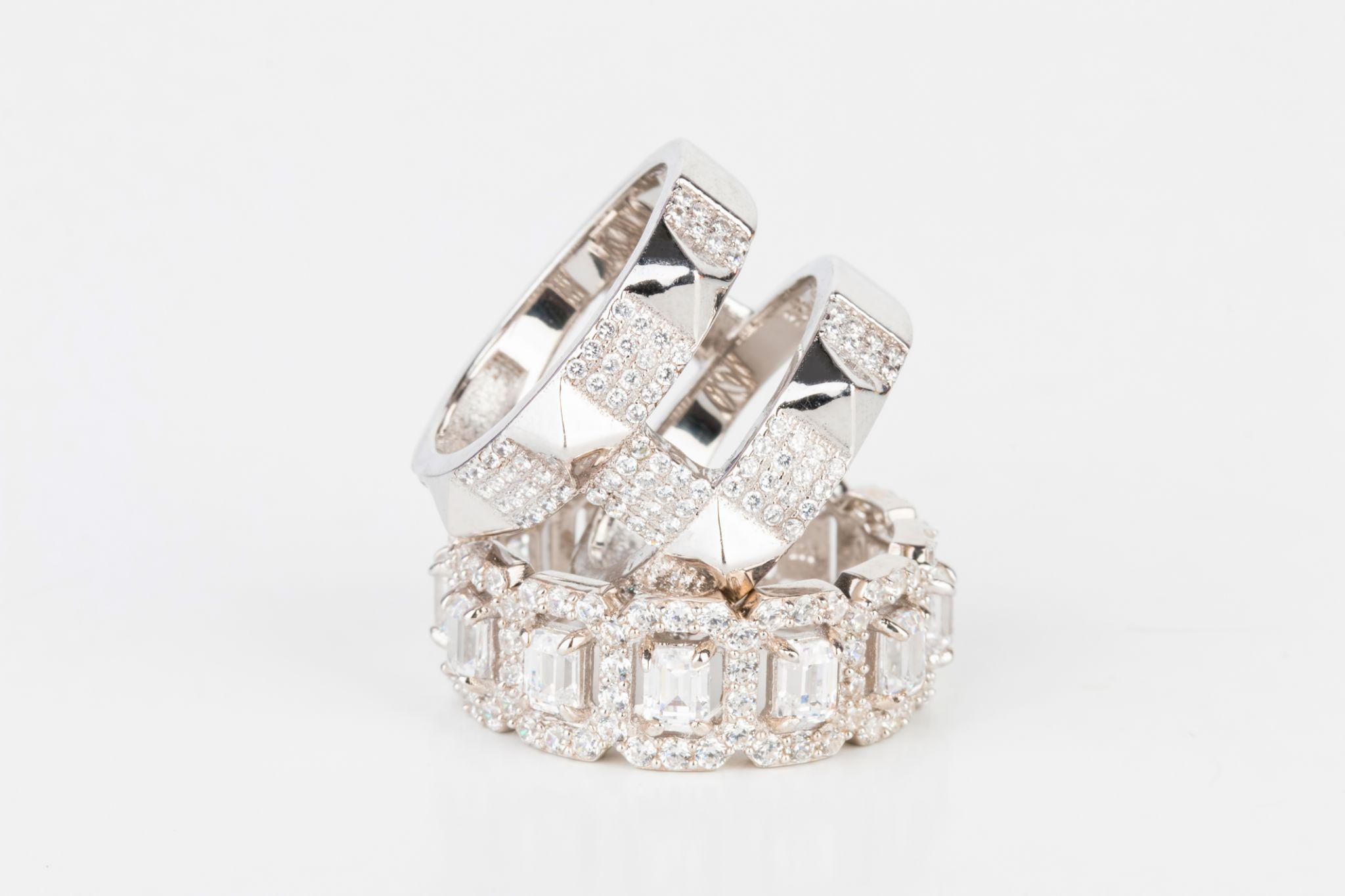
Jewelry has the power to transform even the simplest outfit into something polished and intentional. Everyday styling does not require elaborate statement pieces or complicated layering techniques. Instead, it relies on thoughtful choices that balance comfort, practicality, and visual harmony.
When styled correctly, jewelry enhances confidence, expresses personality, and brings structure to daily outfits without appearing excessive. The goal is to create combinations that feel natural, effortless, and adaptable across workdays, errands, casual meetings, and relaxed evenings.
This guide explores practical jewelry styling strategies that help create refined everyday looks with ease.
Why Everyday Jewelry Styling Matters
Daily jewelry choices shape how outfits are perceived. Even minimal accessories can influence whether a look appears casual, professional, or elevated.
Smart everyday styling helps:
- Create a polished appearance quickly
- Add personality to simple outfits
- Support consistent personal style
- Improve outfit balance and proportion
- Transition looks from day to evening easily
Instead of relying on trends, everyday jewelry styling focuses on consistency and versatility.
Start with a Signature Base Layer
A reliable jewelry base layer makes daily styling faster and more cohesive. These pieces function as the foundation of your everyday look.
Common base-layer pieces include:
- Stud earrings
- A slim chain necklace
- A simple bracelet
- A watch
- Stackable rings
Wearing one or two of these consistently creates a recognizable style identity while keeping outfits refined.
Balance Jewelry with Your Outfit Neckline
Neckline shape strongly influences how necklaces appear. Choosing the right length and style improves visual balance.
Consider these pairing strategies:
Crew neck tops
Choose longer pendant necklaces or layered chains to avoid crowding the neckline.
V-neck tops
Select necklaces that follow the natural V shape for a clean, flattering effect.
Button-down shirts
Short chains or delicate layered necklaces work best when worn inside or just above the collar opening.
Off-shoulder styles
Statement earrings or collarbone-length necklaces highlight exposed areas beautifully.
Matching necklace placement to neckline shape instantly improves styling results.
Master the Art of Layering Necklaces
Layered necklaces add depth without overwhelming an outfit when done thoughtfully.
Successful layering depends on spacing and proportion.
Follow these guidelines:
- Combine two to three necklaces of different lengths
- Mix chain textures subtly rather than dramatically
- Keep pendants minimal if layering multiple pieces
- Maintain one focal point instead of competing elements
Layering works especially well with neutral clothing and simple silhouettes.
Choose Earrings That Match Your Daily Routine
Earrings influence the overall tone of your look more than many people realize. The right pair can define your styling approach instantly.
For everyday wear, consider:
Stud earrings
Ideal for professional settings and minimalist wardrobes.
Small hoops
Offer versatility and subtle personality.
Huggie earrings
Provide comfort and modern appeal.
Slim drop earrings
Add elegance without appearing formal.
Selecting earrings based on comfort ensures they remain wearable throughout the day.
Use Rings to Add Personality Without Clutter
Rings are excellent tools for expressing individuality while maintaining subtle styling.
To keep everyday ring styling balanced:
- Limit stacking to two or three rings per hand
- Mix thin bands with one slightly bolder piece
- Maintain spacing between stacked rings
- Avoid combining too many oversized designs together
Stacked rings work best when they feel intentional rather than crowded.
Mix Metals the Right Way
Mixing metals used to be avoided, but modern styling encourages combining tones thoughtfully.
Blending gold, silver, and rose gold creates visual interest when done carefully.
To mix metals successfully:
- Choose one dominant metal tone
- Add one contrasting tone sparingly
- Repeat the secondary tone in another accessory
- Keep shapes consistent across pieces
Balanced metal mixing makes outfits appear contemporary without losing sophistication.
Let One Piece Become the Focal Point
Everyday jewelry styling works best when one accessory leads the look.
Examples of focal pieces include:
- A pendant necklace
- Statement earrings
- A bold ring
- A structured watch
When one item stands out, other accessories should remain subtle to avoid visual competition.
This approach keeps styling intentional and clean.
Coordinate Jewelry with Your Hairstyle
Hair length and styling influence how jewelry appears.
Consider these adjustments:
Short hair
Hoops and drop earrings become more visible and impactful.
Long loose hair
Choose slightly larger earrings so they remain noticeable.
Updos
Layered necklaces and statement earrings gain prominence.
Low ponytails
Stud earrings and slim chains create balanced elegance.
Matching jewelry with hairstyle ensures accessories remain visible and effective.
Match Jewelry to Your Lifestyle Needs
Practicality plays a major role in everyday styling success. Jewelry should support movement, comfort, and routine activities.
For active lifestyles:
- Choose lightweight pieces
- Avoid oversized earrings
- Select secure clasps
- Wear low-profile rings
Comfortable jewelry encourages consistent daily wear without adjustments or inconvenience.
Coordinate Jewelry with Color Palettes
Jewelry interacts with clothing colors in subtle but important ways.
Metal tones complement different color groups effectively.
For example:
- Yellow gold pairs well with warm tones like beige, rust, and cream
- Silver complements cool tones such as gray, navy, and black
- Rose gold works beautifully with blush, soft neutrals, and earthy palettes
Understanding these relationships helps create cohesive outfits quickly.
Keep Jewelry Proportional to Your Outfit Style
Outfit structure should guide jewelry selection.
Examples include:
Casual outfits
Simple chains and studs maintain relaxed balance.
Office wear
Structured watches and minimal earrings enhance professionalism.
Athleisure
Lightweight studs and slim rings support movement-friendly styling.
Evening casual looks
Layered necklaces or bold earrings introduce polish.
Matching jewelry scale to clothing formality prevents styling mismatches.
Use Watches as Styling Anchors
A watch often serves as both a practical tool and a visual centerpiece.
To integrate watches effectively:
- Pair metal watches with matching bracelets
- Combine leather-strap watches with minimalist rings
- Keep sleeves tailored to showcase the watch
- Avoid stacking overly bulky bracelets beside slim watch faces
A well-chosen watch strengthens everyday styling consistency.
Refresh Everyday Looks with Seasonal Adjustments
Seasonal changes offer opportunities to subtly update jewelry combinations.
Consider these seasonal styling shifts:
Spring
Introduce lighter metals and delicate layering.
Summer
Choose breathable, minimal pieces with shorter necklace lengths.
Fall
Add textured metals and gemstone accents.
Winter
Layer slightly heavier jewelry with structured outfits.
Small seasonal changes keep everyday styling fresh without requiring major updates.
Maintain Jewelry for Long-Term Daily Wear
Consistent wear requires consistent care.
To keep everyday jewelry looking polished:
- Clean pieces weekly with gentle solutions
- Store items separately to prevent scratches
- Remove jewelry before workouts
- Avoid exposure to harsh chemicals
- Inspect clasps regularly
Maintenance protects both appearance and durability.
Build an Everyday Jewelry Capsule Collection
A capsule jewelry collection simplifies styling decisions and reduces clutter.
Strong capsule essentials include:
- Stud earrings
- Small hoop earrings
- A delicate chain necklace
- A pendant necklace
- Stackable rings
- A structured watch
- A slim bracelet
These pieces combine easily and support a wide range of outfits.
Develop a Personal Jewelry Styling Routine
Consistency improves styling confidence over time.
Try this simple approach:
- Select a daily base layer
- Add one focal accessory
- Match jewelry to neckline
- Adjust for hairstyle
- Confirm comfort level
Following a repeatable process makes styling faster and more intuitive each morning.
FAQs About Jewelry Styling for Everyday Looks
How many jewelry pieces should I wear daily for a balanced look?
Most everyday outfits benefit from three to five coordinated pieces, depending on outfit simplicity and personal comfort.
Can everyday jewelry include gemstones or should it stay minimal?
Gemstones work well for daily wear when chosen in subtle settings that do not overpower casual outfits.
Is it appropriate to wear layered jewelry in professional environments?
Yes, as long as layers remain delicate and do not distract from a polished appearance.
Should jewelry match my handbag hardware or belt details?
Matching hardware tones can create visual harmony, but exact coordination is not necessary for a cohesive look.
How can I transition everyday jewelry from work to evening plans quickly?
Adding one statement accessory such as drop earrings or a bold ring can instantly elevate a daytime look.
What jewelry styles work best with minimalist wardrobes?
Slim chains, geometric earrings, stackable rings, and neutral-tone watches complement minimalist clothing especially well.
How often should everyday jewelry be replaced or updated?
Everyday jewelry does not require frequent replacement. Updating pieces every few years helps reflect evolving personal style while maintaining a consistent core collection.
